01 — Expertise
Our Expertise
We're paid media specialists at our core, with extensive experience in deploying that knowledge to help challenger brands grow.
Explore our expertise


Artificial intelligence isn’t just tweaking search results. It’s having a significant impact on the rules of visibility. With AI-generated answers in Google’s AI Overviews / AI Mode, ChatGPT, and other emerging platforms, the way people find, evaluate, and choose brands is shifting fast.
For marketers, this is both a challenge and a huge opportunity. The brands that adapt early will be the ones that keep showing up in buying journeys.
Here are five strategies to help your brand respond.
AI is fundamentally changing how people discover brands. In traditional search, you could win with a mix of page-one rankings, ads, and content spread across the web. In AI-driven search, visibility has become binary — you’re either in the answer or invisible.
This is a behavioural shift as much as a technical one:
Why it matters: Your competition is no longer every site on Google. It’s the handful of entities AI deems relevant enough to mention.
Once you grasp the new visibility model, the next step is getting into the AI’s trusted dataset. Every AI answer is stitched together from a set of recognised, high-authority sources.
Practical steps include searching your target queries in AI tools and noting the domains that keep appearing. Success depends on securing placement through PR outreach, affiliate partnerships, and profile optimisation on review sites.
Why it matters: Even if you dominate traditional SEO, if you’re absent from these ‘source nodes’, you won’t show up in AI’s answers.
Knowing if and how you appear in AI-generated answers is the first step to improving your visibility. Just like SEO analytics transformed keyword strategy, a new wave of AI visibility tools (like Trakkr or AthenaHQ) is emerging.
AI visibility is not guaranteed. Without measurement, you won’t know when (or why) you drop out of an AI’s dataset.
Tracking presence and sentiment gives you an early-warning system and a blueprint for getting back into the AI’s trusted circle.
Ecommerce is on the brink of possibly its biggest shift yet. Shoppers will soon search conversationally and get curated product lists pulled directly from live feeds.
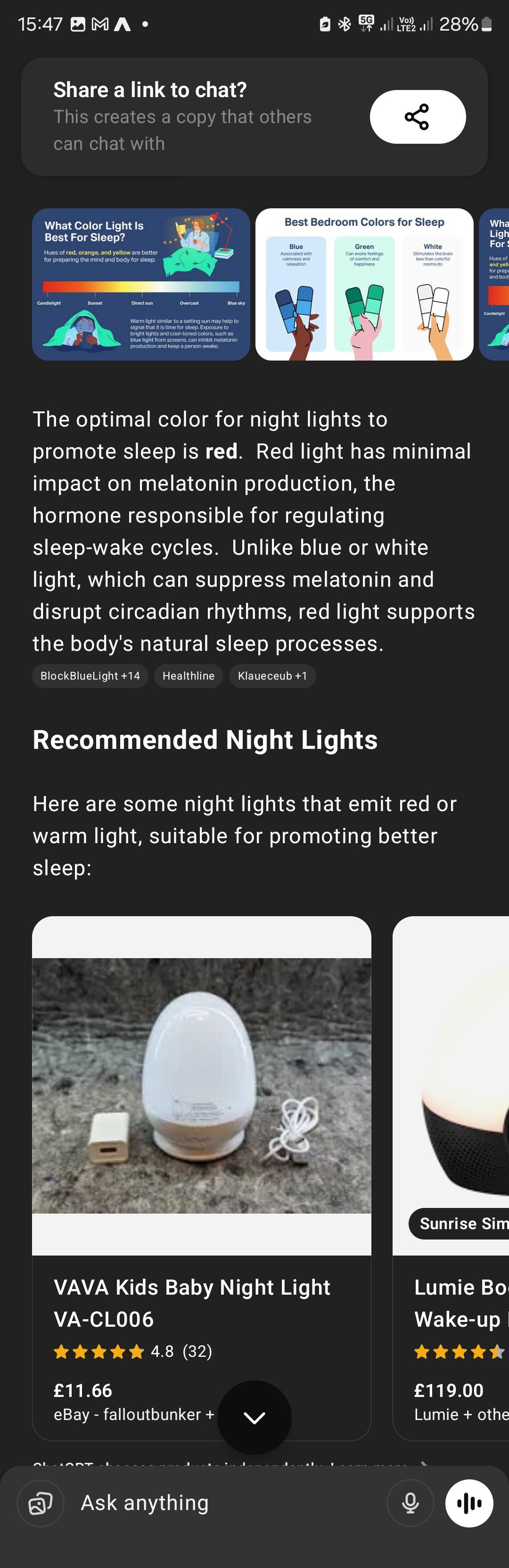
Why it matters: In an AI-driven shopping interface, the quality of your product feed will determine whether you appear at all. This is like SEO for ecommerce feeds — relevance, clarity, and completeness are everything.
AI doesn’t just look for keywords. It prioritises structured, clear, and authoritative content that answers questions directly. Use bullet points, Q&A formats, and proper schema markup to help AI parse your content accurately.
Why it matters: AI wants to give confident, complete answers. The more structured your content, the more likely it is to be surfaced, regardless of traditional keyword rankings.
The future of search isn’t about gaming the algorithm. It’s about being the answer the algorithm trusts.
That means Inclusion > Ranking, Authority > Volume, and Relevance > Broad reach.
If you liked what you saw, please find here some other articles which we believe will be useful for you:
