
The search engine results page (SERP) has always been in flux. From ten blue links to featured snippets, image groupings, shopping carousels and more. But nothing has disrupted the SERP quite like AI.
Unlike previous updates that tweaked layout or prioritised new content formats, AI is changing the very foundation of how results are displayed, sourced, and monetised. This isn’t just a UX refresh, it’s a structural transformation of what “search” looks like.
And for that reason, it’s critically important that digital marketing professionals have a good steer on what these changes look like (or will look like), and crucially, what they mean for your business (which we’ll address later in the series).
But first, what changes are happening?
AI Overviews: Google’s New Default Experience
The biggest visible shift has come via Google’s AI Overviews. These appear above traditional results and deliver an AI-generated summary to answer the user’s query immediately.
The reasons for this being important are fairly straightforward:
The placement of these units now means that users can initially engage with this AI layer instead of scrolling through a list of links. That fundamentally reduces visibility for content that isn’t referenced directly by the AI.
Fortunately for now, the AI Overviews tend to appear for informational searches rather than transactional ones. Wordstream’s helpful visual is a nice explainer of the different query categories.
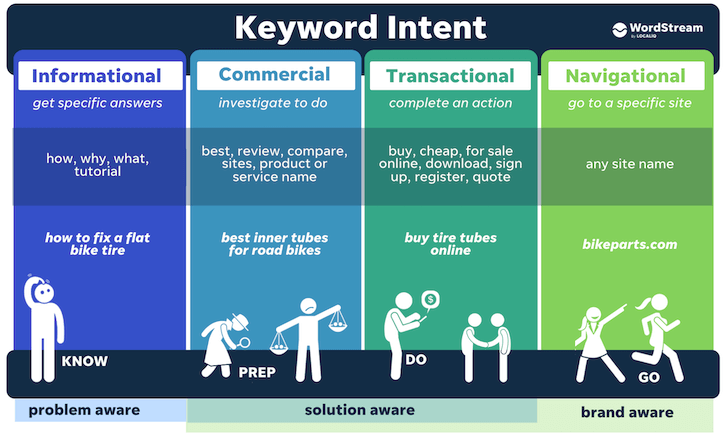
For example, a query like “best SEO agencies in London” will likely trigger an AI Overview, whereas “buy wireless headphones” may still lead to a traditional shopping ad. Ecommerce brands are safer for the moment, but sophistication is growing rapidly.
AI Mode: The New Frontier
A more dramatic shift is the rollout of AI Mode. This is ultimately a combination of AI Overview & a ChatGPT style interface, using Google’s Gemini models.
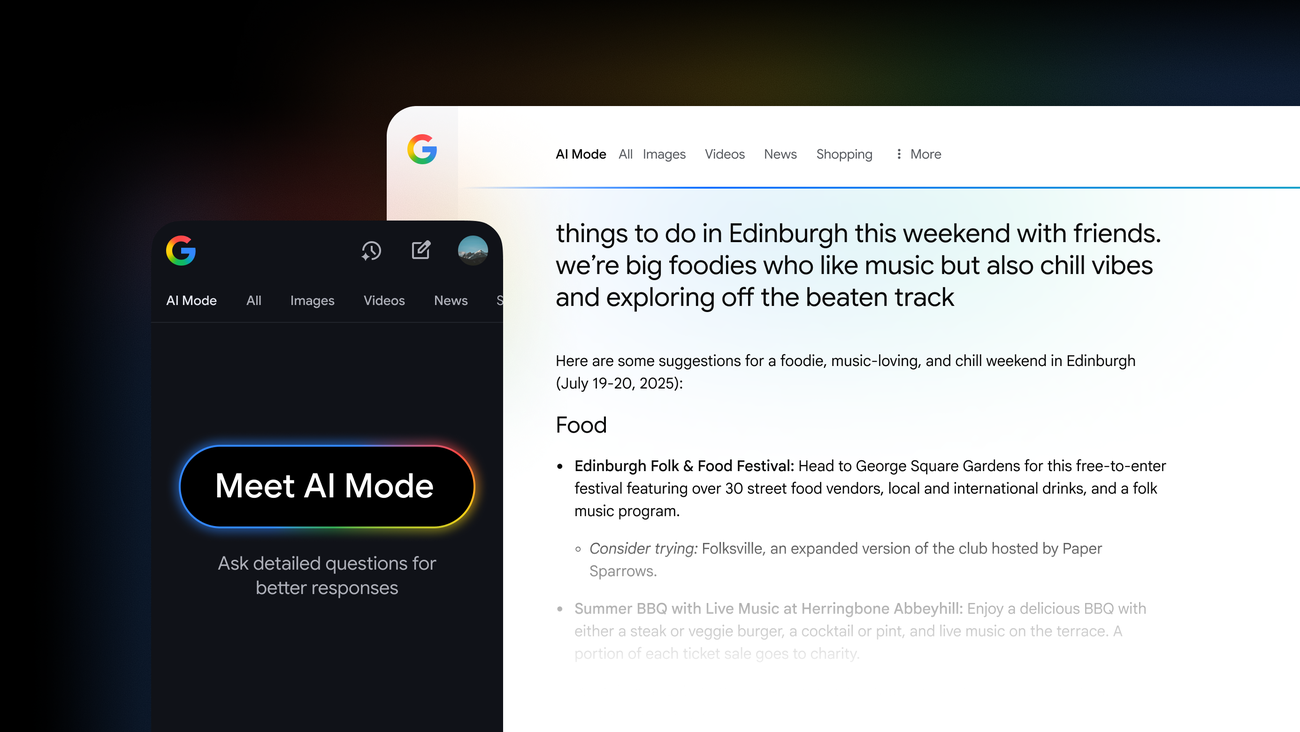
Marketers should note: there are far less links shown than in traditional search, typically only up to 4. The end result will be far less traffic going directly to sites, impacting publishers and organic brand traffic alike.
Ads in AI Overviews: A New Kind of Paid Placement
Google is testing Shopping and Display ads inside AI Overviews. These appear inside the AI-generated response and are contextual to the content.
This blurs the line between organic and paid visibility, creating new challenges for brands trying to understand if visibility is earned or bought.
Slight Tangent – The Coming of Ads in ChatGPT
OpenAI hasn’t done so yet, but ads are coming to ChatGPT. This will introduce potential native ads inside AI chat responses and sponsored product suggestions. This opens new paid media channels but makes non-paid inclusion even more competitive.
Final Thoughts: The SERP Is Now a Destination
AI is turning the search engine results page into a summary layer, not a gateway to explore websites. For marketers, SEOs, and ecommerce teams, this changes everything:
The search engine isn’t going away. But the way it looks, works, and delivers value is being rewritten in real time.
If you liked what you saw, please find here some other articles which we believe will be useful for you: